Easter Traditions In Spain …
During Easter in Spain you will be amazed at the stunning processions with floats depicting the Passion. Statues of Jesús and the Virgin Mary and floats carried by men wearing hoods and long robes.
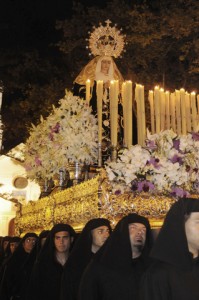 These are followed by penitents dressed in pointed hoods and capes and some are barefoot, wearing chains.
This represents the suffering of Christ. The procession begins on the first day of Semana Santa (Holy Week) el Domingo de Ramos (Palm Sunday).
Procesión del Silencio – (The Procession of Silence) is held on Jueves Santo – (Holy Thursday)
Santo Entierro – (Holy Burial) is held on Viernes Santo – (Holy Friday).
Easter in Spain
On Easter Day (El Domingo de Resurrección) everyone goes to church and celebrates the resurrection of Christ.
Throughout Easter tasty torrijas are eaten. They are very easy to make and consist of slices of bread, soaked in a mixture of whisked eggs and milk (similar to French toast) and then fried in olive oil and sprinkled with sugar – very yummy!
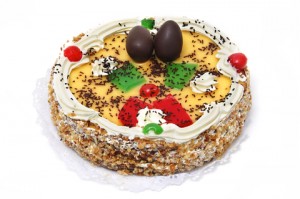 Pastelerías (cake shops) and panaderias (breadshops) all over Spain are full of them and on Easter day there is the traditional Easter cake, ‘la mona de Pascua’ which originates from the 15th century.
Once a small round pastry/cake topped with hard boiled eggs the cakes are now more elaborate. The word ‘mona’ also means a gift so as well as having an Easter cake most children also receive ‘a gift’ from their Godparents on Easter Sunday.
Easter in Valencia
Ferries to Spain
Train Travel in Spain
Traditional Spanish Food
|
|